AWARENESS ON SAVE WATER

Water is necessary for life. Water is needed for domestic, agricultural and industrial purposes.
Three-fourth of Earth's surface is covered by water bodies. 97 per cent of this water is present in oceans as salt water and is unfit for human consumption. Fresh water accounts for only about 2.7 per cent. Nearly 70 per cent of this occurs as ice sheets and glaciers n Antarctica and other inaccessible places. Only one per cent of fresh water is available and fit for human use. So it is very important to conserve this precious resource. And yet we are contaminating the existing water resources with sewage, toxic chemicals and other wastes. Increasing population and rapid urbanisation has led to over-use of water resources leading to water pollution and scarcity.

AWARENESS ON SAVE WATER:
Give people a reason to save.
Reducing water use really begins with education. First and foremost, people need to understand why they need to conserve water. Many people simply don’t think about it. They turn on the faucet and out it flows. If you approach it from a cost-savings perspective, many people are more engaged. Most people want to save money, and conserving water is a simple way to do that. The Groundwater Foundation also publishes a lot of helpful information about water consumption and how to conserve it within our communities. You may find some helpful resources there to share with friends and neighbors

Provide entry-level strategies.
You’ll also want to teach others how to conserve water. It’s best to start with the easiest ways first. Things like repairing leaky faucets and turning off the faucet when brushing teeth. Most people don’t have too much difficulty taking these steps. These small changes don’t disrupt their routine much and they’re quick habits to build.

Encourage others to challenge themselves.

Think big.

To avoid water wastage, we can take small steps while using water in our daily use.
1.Turn off the tap while brushing your teeth and limit the use of water for washing clothes and dishes.
2.Instead of washing your vegetables or fruits in running water, take a large bowl of water and wash them in it
3.Always try to wash clothes or utensils when the load is full in the washing machine and dishwasher.
4.Fix all the leaks in the water source at your home.
5.Avoid over watering your garden and use rain sensors on irrigation systems.
6.Raise awareness about the need for water conservation with your family members and neighbours.


Public water conservation campaigns description
Public water conservation campaigns raise awareness in all levels of society about the importance of saving water to cope with its scarcity and ensure sustainability. The aim is to change citizen attitudes and behaviour to improve water use efficiency. This is done through education and awareness campaigns on the socioeconomic and environmental benefits of water conservation and different conservation methods. Communication means include traditional and social media, as well as direct communication such as workshops, presentations, stakeholder dialogues, etc. Other means such as economic incentives can also be employed, for example, free installation of water meters. Raising water conservation awareness is important as the combined impact of even small improvements in individual household use can amount to significant savings at a municipality or regional level.
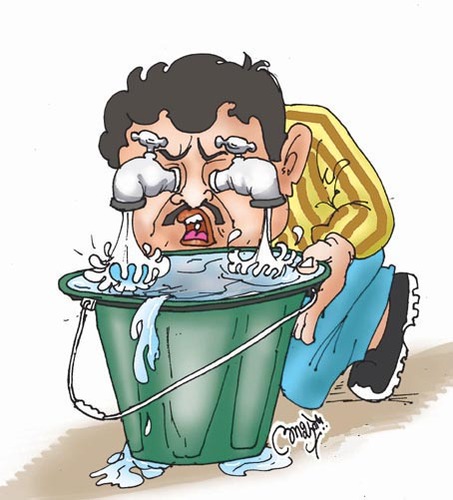
Environmental benefits of public water conservation campaigns
- Reduces end water-use, in turn reducing pressures on water utilities, local freshwater sources and the environment.
- Requires less energy for abstraction, transport and treatment, mitigating greenhouse gas emissions.
- Socioeconomic Benefits
- Reduces water costs for utilities and end users.
 0
0


Comments
Post a Comment